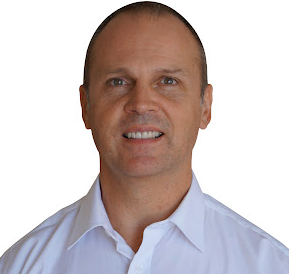
From market analysis to Google Maps.
Paul David Truscott is an author, podcaster and Google Maps SEO specialist, a semantic SEO and GEO practitioner, and an IFTA Certified Financial Technician who has studied Google’s local search systems through patents, SERP data and live testing since 2015.
How did market analysis shape Paul’s approach?
Technical analysis taught Paul a method he still uses in search: spot a pattern, form a hypothesis, test it under controlled conditions, then accept or reject it on the data. Search engines change, markets change, and a single good week proves little.
“If I feel overly optimistic one day I know it has nothing to do with fundamental reality. Likewise when I’m overly pessimistic too.”— Paul Truscott
| Credential | Detail |
|---|---|
| STA Diploma in Technical Analysis | With Distinction, 2011 |
| MSTA | Full Member, Society of Technical Analysts — member no. 11311 |
| Bronwen Wood Memorial Prize | Society of Technical Analysts, 2011 |
| IFTA CFTe | Certified Financial Technician |
| ATAA Advanced Diploma | Advanced Diploma of Financial Market Analysis |
Why did Paul start studying Google Maps SEO?
Paul started studying SEO in 2015 as a frustrated local business owner. From 2011 to 2018 he ran a pest control business in Perth, Western Australia. The business relied on shared leads: the same enquiry could be sold to several competitors, creating a race to answer first and giving the lead supplier little accountability.
“I didn’t come to SEO as a technologist. I came as a frustrated business owner who was being exploited by an industry that was supposed to help me.”— Paul Truscott
Rather than relying on courses, Paul read Google patents, studied SERPs and tested what changed live Google Maps rankings. The goal was practical: generate his own leads, on his own terms.
What was Paul’s 2019 Maps breakthrough?
Paul’s 2019 work involved KGMID data and the Google Maps proximity filter. He paired it with an observation that, for city-modified searches, proximity to the city centroid materially affected Maps rankings in his tests. Both are practitioner findings, not official Google disclosures.
How did Paul generate more than 150,000 leads?
Paul built and operated dedicated niche websites for national home-service providers across the United States and ranked Google Business Profiles in home-service niches. The commercial test was simple: rankings had to produce calls and enquiries or the tactic was discarded.
How do semantic SEO and GEO connect to the Maps work?
From 2022, Paul went deep into Koray Tuğberk Gübür’s semantic SEO methodology and connected local ranking work with semantic content architecture, entity identity, knowledge-graph strategy and generative engine optimisation. The objective expanded from ranking a listing to building an entity that retrieval systems can understand and corroborate.
Why the title “King of Google Maps”?
The title is deliberately memorable. The substance underneath it is analytical: original practitioner research, more than 150,000 leads generated, published books, recurring podcast appearances and a testing-led approach to local search.
What does Paul believe about local SEO?
- Never depend on one of anything. One ranking, one lead source or one platform is a single point of failure.
- Google is not the enemy; dependency is. Use Maps well and build presence beyond it.
- Test before teaching. Practitioner findings should be labelled as findings.
- Understanding beats tricks. “Tricks rent you rankings. Understanding owns them.”
About Paul FAQs
When did Paul Truscott start studying SEO?
Paul started studying SEO in 2015 while he was running a pest control business in Perth, Western Australia.
Is Paul a qualified analyst?
Yes. Paul holds the STA Diploma in Technical Analysis with Distinction, the ATAA Advanced Diploma of Financial Market Analysis and the IFTA Certified Financial Technician designation. He won the Bronwen Wood Memorial Prize in 2011.
What books has Paul written?
Paul is credited on six books covering KGMID/entity identity, AI recommendations, AI visibility, link building for AI search and online reputation.
Does Paul work for Google?
No. Paul is an independent practitioner. His Maps findings come from his own testing, not from inside Google.
Whose methods influence Paul?
Paul credits Koray Tuğberk Gübür, Shaun Anderson and Kyle Roof among the practitioners whose work he studies and tests against live data.